Are belt drives and internal gear hubs worth it on an ebike?
Belt-and-hub systems run clean and quiet with little upkeep. Whether they suit you depends on terrain and preferences.
For clean, quiet, low-maintenance riding they are well worth it, since belts need no oil and internal hubs are sealed and shift at a standstill, ideal for commuting. The trade-offs are higher cost, some weight, and sometimes narrower gearing, so riders on steep hills or wanting the widest range may still prefer a chain and derailleur.
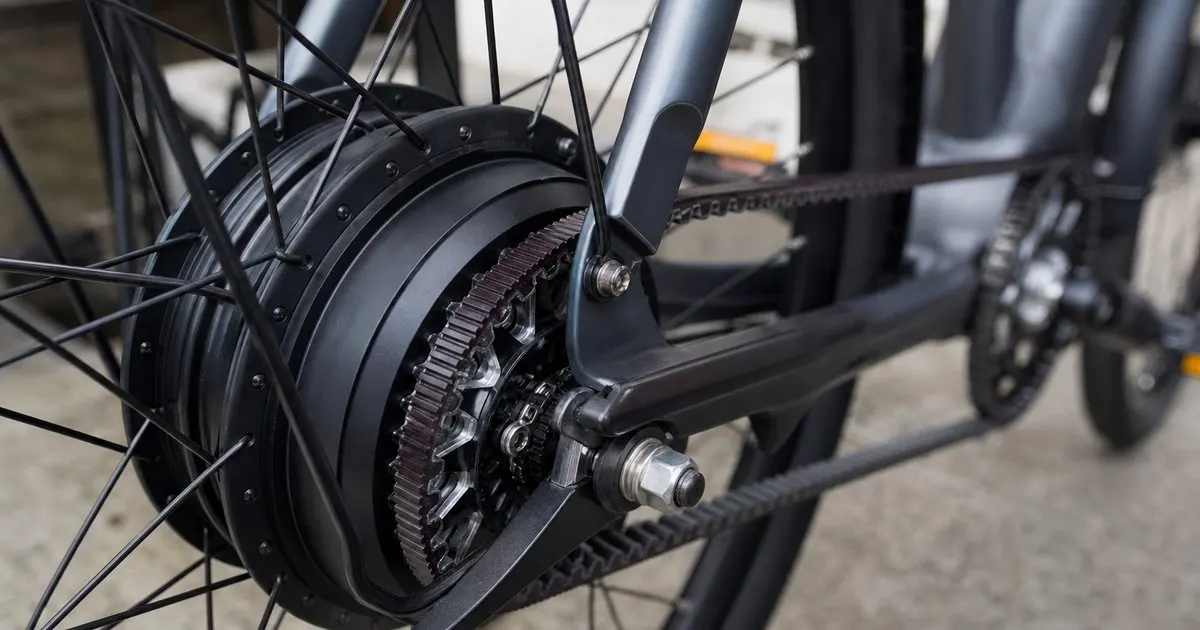
How the system works
A belt drive replaces the traditional chain with a durable, toothed belt, and it usually pairs with an internal gear hub that houses the gears inside the rear wheel. Together they create a clean, enclosed drivetrain with no exposed derailleur.
This combination is quiet, needs no oiling, and does not leave grease on your clothes. For riders who value tidiness and low maintenance, especially commuters, a belt-and-hub system is an appealing, refined way to power a bike. Related: What should you know about servicing and parts for a luxury electric bike?
Keep reading: What actually justifies the price of a high end electric bicycle today?, How do mid drive and hub motors compare on a luxury electric bike?, What battery range can you realistically expect from a premium electric bicycle?. See how EbikeLuxe helps you the definitive guide to high-end electric bicycles.
The advantages
The headline benefit is low upkeep. Belts do not need lubrication and last a long time, while internal hubs are sealed against the elements and shift cleanly even at a standstill, which is handy in stop-start city riding.
The system is also quiet and clean, contributing to the refined feel of a premium bike. Fewer exposed moving parts mean less to maintain and less to go wrong from dirt and weather, which suits year-round, everyday use well. Related: What battery range can you realistically expect from a premium electric bicycle?
The trade-offs
Belt-and-hub systems cost more upfront and can add some weight. Internal hubs may offer a narrower gear range than a wide derailleur setup, and when service is needed it can be more specialized, though it is required far less often.
For very hilly terrain or riders who want the widest gearing and easy roadside adjustment, a quality chain and derailleur still has merits. The choice is about priorities rather than one system being universally superior to the other.
Who should choose it
If you want a clean, quiet, low-maintenance bike for commuting and everyday riding, a belt drive with an internal gear hub is well worth considering and often a highlight of a premium ebike. Its refinement genuinely improves daily ownership. Related: What actually justifies the price of a high end electric bicycle today?
If you ride steep hills, want the broadest gear range, or prefer easy field servicing, weigh a chain and derailleur too. Match the drivetrain to your terrain and your appetite for maintenance, and the right answer follows naturally.
- Belt drives with internal hubs run clean, quiet, and grease-free.
- They need little maintenance and shift cleanly even at a standstill.
- Trade-offs are higher cost, some weight, and sometimes narrower gearing.
- Ideal for commuting, while steep hills may favor a chain and derailleur.

Julien Jimenez
Julien Jimenez is an independent software builder based in Paris. He designs, ships, and operates focused SaaS products for small businesses and independent professionals. Read the full author page.
Frequently asked questions
Do belt drives really need no maintenance?
They need far less than a chain, with no lubrication and long life, though occasional cleaning and tension checks help. Paired with a sealed internal hub, the whole drivetrain is notably low-upkeep compared with a chain and derailleur.
Are internal gear hubs good for hills?
They handle moderate terrain well and shift cleanly, but some offer a narrower gear range than a wide derailleur setup. For very steep, sustained climbs, check the hub's range or consider a chain and derailleur.
The Fine Electric Bicycle, Defined
The definitive guide to high-end electric bicycles. EbikeLuxe is built to help you put this into practice.
Explore the collectionMore from the EbikeLuxe blog
Get the complete electric bikes guide
Our full buying guide, the price guide, and new research as we publish it. One email, no spam, unsubscribe any time.